


The Hidden Dangers of Glyphosate Sprayed Corn and Wheat: Health Risks and Global Standards
- Heather Norfolk
- Apr 27
- 3 min read

Corn and wheat are staples in diets worldwide, but many people do not realize the risks associated with consuming these grains when they are sprayed with glyphosate and insecticides. These chemicals, widely used in modern agriculture, have raised serious health concerns. Research links them to cancer, intestinal problems, and hormonal imbalances. Meanwhile, many countries have strict regulations or outright bans on such practices to protect their populations. Understanding these dangers and global responses can help consumers make safer food choices.
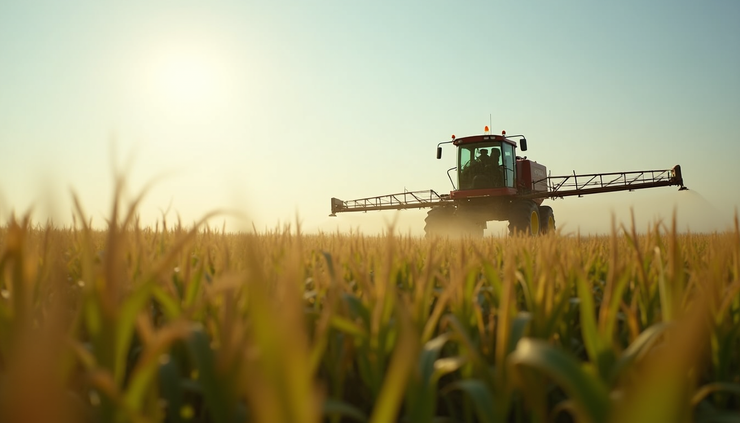
What Is Glyphosate and Why Is It Used?
Glyphosate is a broad-spectrum herbicide commonly applied to crops like corn and wheat to control weeds. It became popular because it effectively kills unwanted plants without harming genetically modified crops designed to resist it. Farmers use glyphosate to increase yields and reduce labor costs.
Insecticides are also sprayed to protect crops from pests that can damage plants and reduce harvest quality. While these chemicals help maintain crop productivity, their residues often remain on the grains that reach consumers.
Health Risks Linked to Glyphosate and Insecticides
Cancer Concerns
Multiple studies have raised alarms about glyphosate’s potential to cause cancer. The International Agency for Research on Cancer (IARC), part of the World Health Organization, classified glyphosate as “probably carcinogenic to humans” in 2015. This classification is based on evidence linking glyphosate exposure to non-Hodgkin lymphoma, a type of blood cancer.
Insecticides sprayed on crops also contain chemicals that may increase cancer risk. Some insecticides are known neurotoxins or endocrine disruptors, which can interfere with normal cell function and promote tumor growth.
Intestinal Problems
Glyphosate and insecticides can disrupt the gut microbiome, the community of beneficial bacteria essential for digestion and immune health. Research shows glyphosate inhibits certain enzymes in gut bacteria, leading to imbalances that may cause inflammation, leaky gut syndrome, and digestive disorders.
People consuming grains with chemical residues may experience symptoms such as bloating, abdominal pain, and irregular bowel movements. Over time, these issues can contribute to chronic diseases like irritable bowel syndrome (IBS) and inflammatory bowel disease (IBD).
Hormonal Imbalance
Both glyphosate and many insecticides act as endocrine disruptors. They interfere with hormone production, signaling, and metabolism. This disruption can affect reproductive health, thyroid function, and metabolic processes.
For example, exposure to these chemicals has been linked to reduced fertility, developmental problems in children, and increased risk of hormone-related cancers such as breast and prostate cancer.
Why Some Countries Restrict or Ban Glyphosate and Insecticides on Food Crops
Countries with strict food safety standards often limit or prohibit the use of glyphosate and certain insecticides on crops destined for human consumption. Their policies reflect precautionary principles to protect public health.
European Union
The EU has imposed tighter regulations on glyphosate use. Some member states have banned glyphosate outright or restricted its application near residential areas and water sources. The EU also enforces strict maximum residue limits (MRLs) on food products, ensuring chemical residues remain below harmful levels.
Japan and South Korea
These countries maintain rigorous pesticide residue testing and reject imports of grains exceeding safety thresholds. Their food safety agencies prioritize minimizing chemical exposure to reduce health risks.
Brazil and Argentina
While these countries are major producers of glyphosate-resistant crops, they have begun reviewing glyphosate’s safety and exploring alternatives due to rising health concerns and environmental impact and now Mexico is about to stop along with many many other counties.
How Consumers Can Protect Themselves
Choose Organic or Non-GMO Products
Organic farming prohibits synthetic herbicides and insecticides, reducing chemical residues on food. Non-GMO crops may also be less likely to be treated with glyphosate, although this is not guaranteed.
Wash and Soak Grains Thoroughly
Washing grains before cooking can reduce surface pesticide residues. Soaking grains overnight may also help remove some chemicals.
Support Local and Transparent Farming
Buying from local farmers who use sustainable practices allows consumers to ask about pesticide use and choose safer options.
Stay Informed About Food Safety Standards
Understanding regulations in your country and those of food exporters can help you avoid products with high chemical residues.
The Need for Global Awareness and Action
The health risks linked to glyphosate and insecticides on corn and wheat highlight the importance of global food safety standards. Countries that restrict these chemicals set examples for protecting public health. Consumers worldwide benefit when governments enforce strict regulations and promote safer agricultural practices.
Food producers should invest in alternative weed and pest control methods that reduce chemical use. These include crop rotation, biological pest control, and mechanical weeding.


Comments